1. What is ISO Certification?
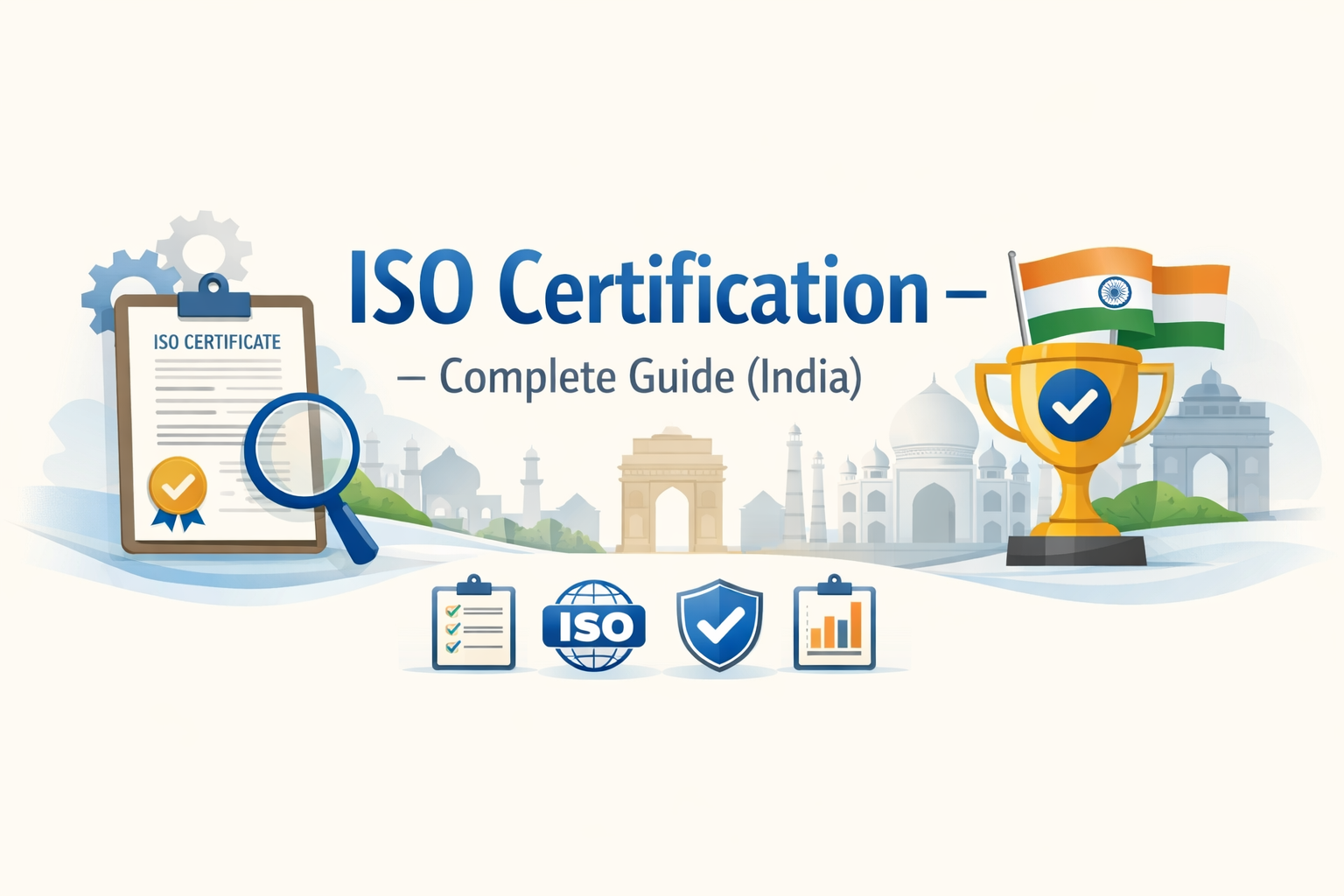
ISO Certification is an official approval that a company follows internationally recognized standards set by the International Organization for Standardization (ISO).
ISO is an independent global organization that develops standards to ensure quality, safety, efficiency, and reliability of products and services.
When a company gets ISO certified, it means its management system, manufacturing process, service delivery, or documentation meets global quality standards.
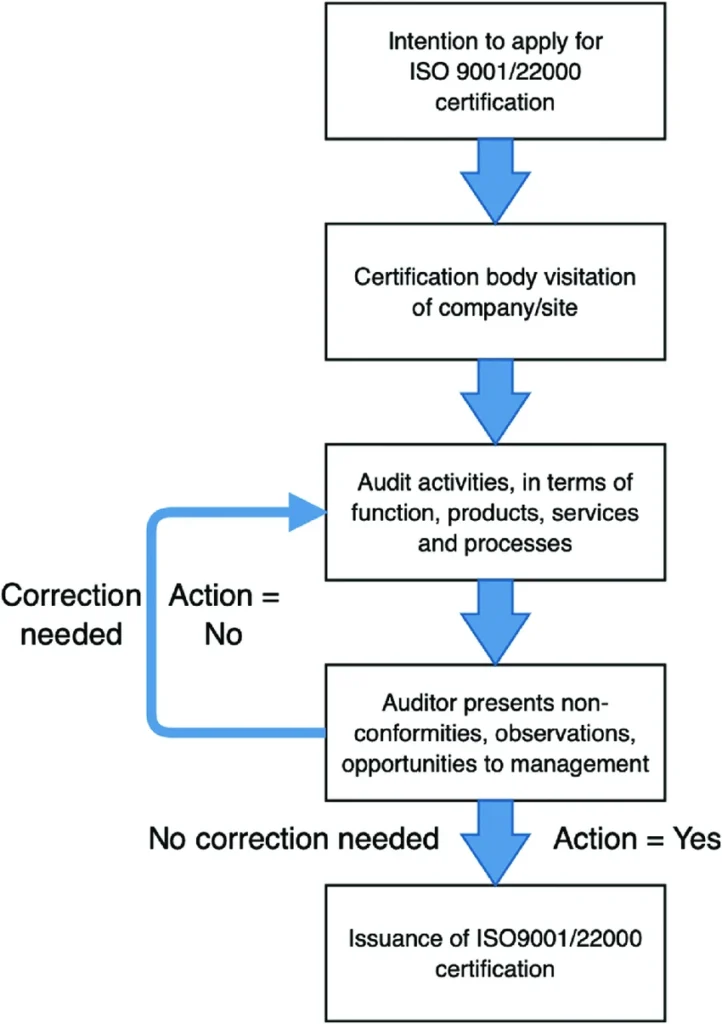
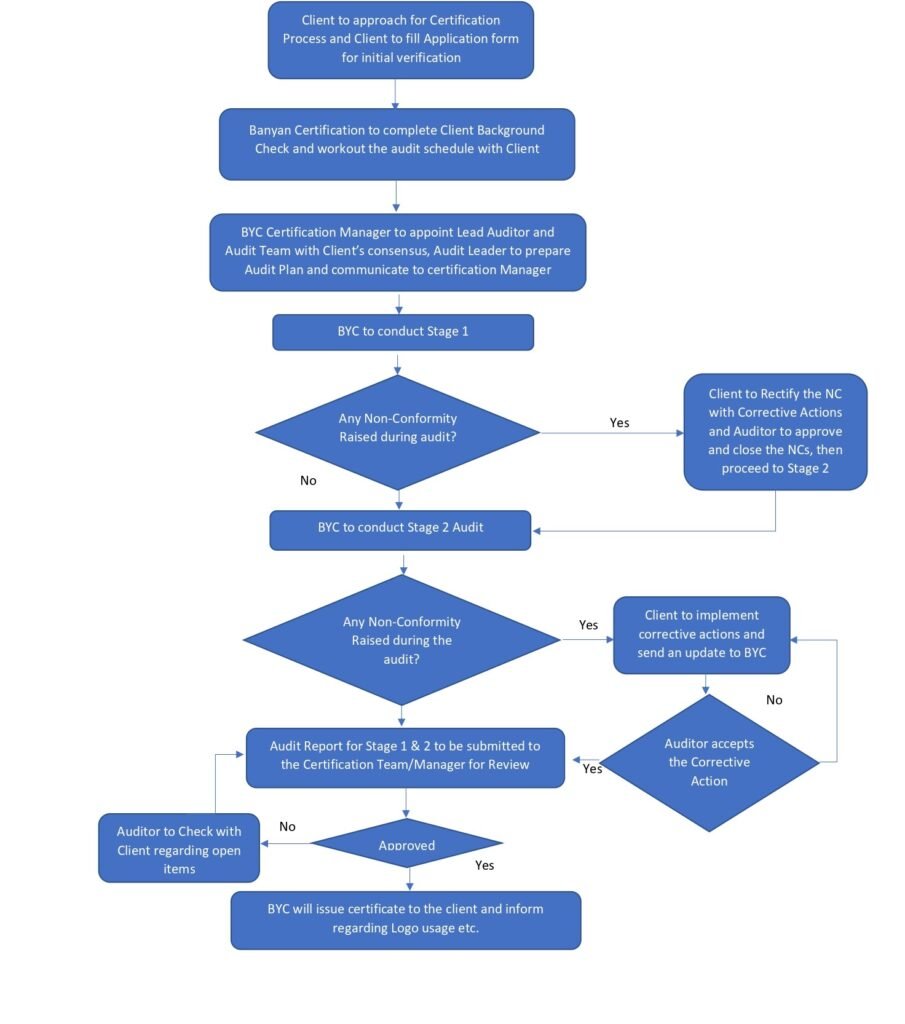
The certification is issued by third-party certification bodies after auditing the organization.
2. Popular ISO Standards
Different industries use different ISO standards. Some common ISO certifications are:
ISO Standard | Purpose Industry
ISO 9001 Quality Management System | All businesses
ISO 14001 Environmental Management Manufacturing, industries
ISO 22000 Food Safety Management Food industry
ISO 27001 Information Security IT companies
ISO 45001 | Occupational Health & Safety Construction, manufacturing
ISO 13485 Medical Devices Quality Healthcare
Among these, ISO 9001 is the most common certification for businesses.
3. Why ISO Certification is Necessary
ISO certification is not always legally required, but it is very important for business credibility and growth.
Major Benefits
1️⃣ Improves Product Quality
ISO standards ensure companies follow standardized processes, which improves product and service quality.
2️⃣ Builds Customer Trust
Customers trust ISO-certified companies because they know the company follows international quality standards.
3️⃣ Helps in Government Tenders
Many government tenders and contracts require ISO certification.
4️⃣ Improves Business Efficiency
ISO forces companies to create clear processes, documentation, and accountability, which improves productivity.
5️⃣ International Business Opportunities
ISO certification makes it easier to export products and work with international clients.
6️⃣ Legal & Risk Management
Some ISO standards help businesses manage safety, environmental risks, and compliance issues.
4. Who Can Get ISO Certification in India?
Almost any organization can get ISO certification if it follows the required standards.
Eligible Entities
Small businesses
Large corporations
Manufacturers
Service providers
Startups
NGOs
Educational institutions
Hospitals
IT companies
Government departments
Example Businesses
Business Type Possible ISO Manufacturing unit ISO 9001, ISO 14001
IT company ISO 27001
Food business ISO 22000
Construction company ISO 45001
Hospital ISO 13485
So any registered or unregistered business can apply, but having proper business documents makes the process easier.
.
5. Who Gives ISO Certification in India?
ISO itself does NOT issue certificates.
Certification is issued by ISO certification bodies.
These certification bodies must be approved by national or international accreditation organizations.
In India, the main accreditation body is:
👉 National Accreditation Board for Certification Bodies (NABCB)
NABCB operates under Quality Council of India (QCI).
6. What is IAF Accreditation?
ISO itself does NOT issue certificates.
Certification is issued by ISO certification bodies.
These certification bodies must be approved by national or international accreditation organizations.
In India, the main accreditation body is:
👉 National Accreditation Board for Certification Bodies (NABCB)
NABCB operates under Quality Council of India (QCI).
6. What is IAF Accreditation?
ISO itself does NOT issue certificates.
Certification is issued by ISO certification bodies.
These certification bodies must be approved by national or international accreditation organizations.
In India, the main accreditation body is:
👉 National Accreditation Board for Certification Bodies (NABCB)
NABCB operates under Quality Council of India (QCI).